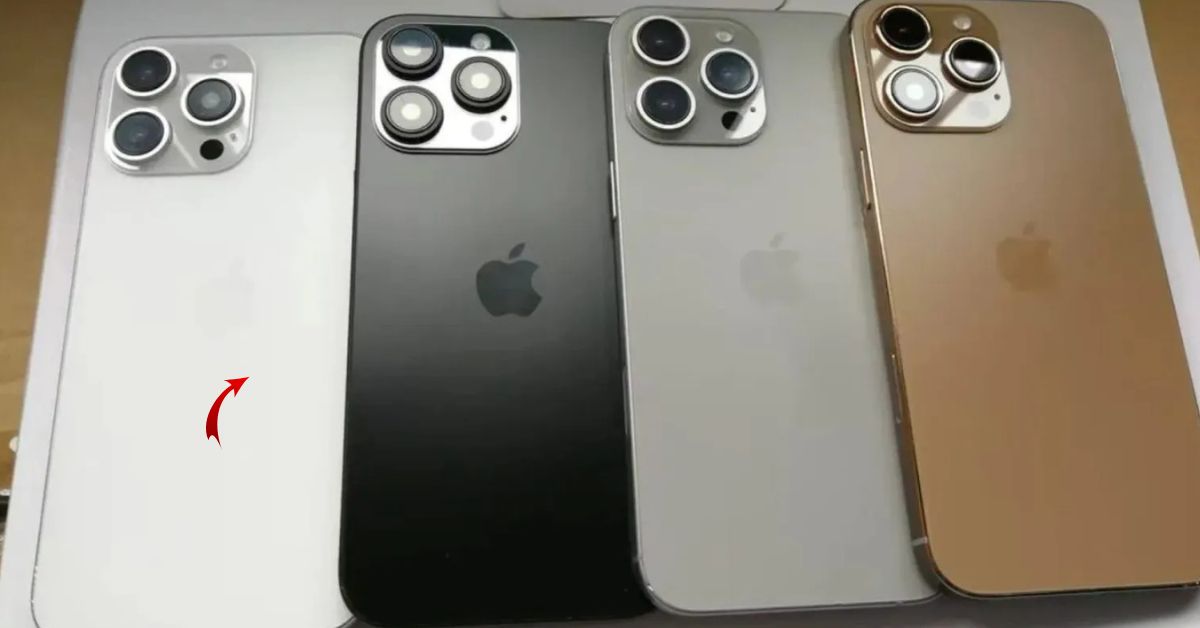
Every few years, an iPhone release represents more than just a spec bump; it marks a strategic shift for the entire platform. The Apple iPhone 16, running on the powerful A18 Bionic chip and introducing the full scope of Apple Intelligence (AI), is precisely that kind of device. It is a phone engineered “from the ground up” to be the first true AI-centric smartphone from Apple, fundamentally changing how users interact with their device, organize their lives, and capture the world.
This detailed review covers the three pillars of the iPhone 16 experience: the revamped design focused on new hardware controls, the dramatically upgraded camera system, and the powerful, deeply integrated AI that permeates iOS 18 and beyond.
The New Design: Buttons and the Camera Evolution
While the overall footprint remains familiar, the iPhone 16 introduces critical physical changes—most notably to the camera layout and the introduction of new tactile controls—that signify its focus on creativity and AI interaction.
A. The Vertical Camera Array
For the first time since the iPhone 12, Apple reverts the camera module design of the standard iPhone 16 and 16 Plus models from a diagonal arrangement to a vertically stacked dual-camera system.
- The Reason: Spatial Video: This physical reorientation is a direct hardware mandate to enable the standard iPhone 16 to capture Spatial Video (three-dimensional video) for viewing on the Apple Vision Pro. The aligned lenses allow the cameras to capture two simultaneous video streams with the necessary separation, a feature previously exclusive to the Pro models.
- Aesthetic: The new capsule-shaped housing on the back gives the standard models a distinct, fresh appearance.
B. The Capture Button
The second and most transformative physical addition is the Capture Button, a brand-new, dedicated control located on the lower right side of the phone, sitting flush beneath the power button. This is a solid-state, capacitive button designed to mimic the tactile feel of a DSLR shutter release.
- Two-Stage Control: It responds to varying degrees of pressure: a light press locks focus and exposure, and a full press captures the photo or starts video recording.
- Zoom Control: The button’s surface is touch-sensitive, allowing users to swipe across it to instantly zoom in or out, providing unprecedented one-handed control over the camera.
- Universal Feature: Crucially, this button is present on all iPhone 16 models, not just the Pro series, underscoring its importance to Apple’s vision of mobile photography.
C. The Action Button for All
Previously a Pro-exclusive feature, the Action Button is now standard across the entire iPhone 16 lineup. This customizable button can be assigned to launch any task, such as Flashlight, Voice Memo, or a specific Shortcut, making the phone immediately more personal and efficient.
Camera Upgrade: The 48 MP Standard
The camera system on the standard iPhone 16 receives one of its most substantial hardware overhauls in years, moving beyond the 12MP era for its main sensor.
A. Core Camera Specifications
| Feature | iPhone 16 Specification | Key Benefit |
| Main Camera | 48 MP Wide (with 2x Telephoto Crop) | 48MP sensor enables clearer 24 MP default photos and high-quality 2x optical-quality zoom. |
| Ultra Wide Camera | 12 MP with improved f/2.2 aperture | Enhanced low-light performance on the ultra-wide lens. |
| Video Capabilities | 4 K @60 fps Dolby Vision + Spatial Video | Provides professional-grade video output and future-proofed 3D content capture. |
| Front Camera | 12 MP with Autofocus (AF) | Sharper selfies and vastly improved video call quality. |
Export to Sheets
B. The 48MP Fusion Main Camera
The core of the iPhone 16′s camera prowess is the 48MP Fusion Main sensor. It uses a quad-pixel sensor that combines four pixels into one large 2.44μm super−pixel for phenomenal low-light performance, resulting in a 12 MP image rich in detail and dynamic range.
- 2x Telephoto: By cropping the center 12MP of the 48MP sensor, the phone delivers a true 2x optical−quality telephoto zoom at 52 mm focal length without needing a dedicated third lens—a massive practical upgrade for portraiture and everyday shooting.
- Next-Generation Photographic Styles: Leveraging the A18 chip′s power, the iPhone 16 introduces highly sophisticated Photographic Styles that can selectively adjust color, highlights, and shadows based on the scene and skin tones, moving beyond simple color filters.
Performance: The A18 Bionic and the AI Core
The iPhone 16 is powered by the Apple A18 Bionic chip, built on an advanced 3 nm process. While the Pro models receive the A18 Pro with slightly more GPU cores, the standard A18 represents a monumental leap for the base iPhone line.
A. A18 Bionic Core Specifications
- CPU: 6-core CPU (2 Performance, 4 Efficiency), offering roughly 30% faster multi−core performance than the A16 Bionic in the previous-generation base models.
- GPU: 5-core GPU, featuring faster speeds for gaming and demanding graphical applications.
- Neural Engine: The most important change: a significantly upgraded, multi-core Neural Engine designed specifically for massive, on-device AI computation, clocking in at an estimated 35 TOPS (Trillions of Operations Per Second). This engine is the bedrock of Apple Intelligence.
B. The Apple Intelligence Revolution (AI)
Apple Intelligence is not a single app; it is a deep operating system layer powered by the A18 chip′s enhanced Neural Engine, designed to offer hyper-personalized and privacy-focused AI features.
- On-Device Writing Tools: Integrated across Mail, Notes, and Messages, these tools allow for instant proofreading, rewriting text into different tones (professional, concise, or friendly), and text summarization of long emails or documents.
- Siri Enhancements: Siri transforms into a contextual and personalized assistant. It can now handle sequential and complex requests, perform actions across multiple apps (e.g., “Find the photo of the sunset I took in Paris last summer and send it to John”), and be controlled via Type to Siri with full AI capability.
- Image Playground & Genmoji: This is Apple’s first foray into generative AI. Image Playground allows users to quickly create images from text prompts within Messages or Notes. Genmoji lets users generate unique, custom emojis based on simple text descriptions (e.g., “a cowboy frog”).
- Visual Intelligence: By clicking and holding the Action Button or Capture Button, users can visually search for objects, identify plants/animals, extract text from a menu and translate it live, or turn a poster into a calendar event.
- Privacy: All core AI tasks are processed on the device using the A18 chip, ensuring user data remains private. For more complex cloud-based tasks (like complex ChatGPT queries, which are integrated into Siri as an option), Apple uses Private Cloud Compute to maintain data privacy.
Display, Battery, and Connectivity
The iPhone 16 makes subtle but impactful improvements to its endurance and screen quality.
A. Display and Durability
The 6.1-inch Super Retina XDR OLED display retains its stunning clarity and colour accuracy, with a few key refinements:
- Brightness: Peak HDR brightness is pushed to 1600 nits, with peak outdoor brightness reaching 2000 nits, making it one of the brightest base-model displays ever.
- Dynamic Island: The display retains the Dynamic Island cutout, which is now even more deeply integrated with Apple Intelligence for prioritized, contextual notifications.
Read more : Motorola Edge 50 Pro
B. Battery and Charging
Apple has engineered the A18 chip and the iOS 18 software to maximize efficiency, resulting in significant battery improvements over its predecessor.
- Battery Life: Video playback time is rated up to 22 hours, an increase that translates to reliable all-day (and potentially multi-day light) usage.
- Charging: The iPhone 16 supports 25 W MagSafe wireless charging (with a 30W brick or higher) and 20 W wired charging via the USB−C port, improving the speed of the wireless charging experience.
C. Connectivity and Ports
- Connectivity: The iPhone 16 includes Wi−Fi 7 support for faster and more reliable wireless networking, an essential upgrade for modern, high-speed office and home environments.
- Port: It retains the USB−C port, although data transfer speeds are limited to USB 2.0 on the base model, reserving the faster USB 3 speeds for the Pro line.
Pricing and Final Verdict
The iPhone 16 arrives as the most feature-complete base model Apple has ever released, strategically blurring the lines between the standard and Pro lineups.
A. Expected Pricing and Storage (India)
Apple maintains its 128 GB base storage model in the US, but the Indian market often sees higher base pricing due to taxes and duties.
| Model | Base Storage | Expected Price (India) |
| iPhone 16 | 128 GB | Starting at ₹79,900 |
| iPhone 16 Plus | 128 GB | Starting at ₹89,900 |
Export to Sheets
B. Is the iPhone 16 a Worthwhile Upgrade?
The iPhone 16 is a pivotal device for several key user groups:
- The iPhone 12/13 User: This is a no-brainer. The leap to the A18 Bionic, the 48MP camera, Dynamic Island, and the full suite of Apple Intelligence makes this a generational upgrade with massive improvements in speed, battery life, and future-proofing.
- The New AI User: For users keen to experience the new wave of on-device AI—summaries, powerful Siri, and generative images—the iPhone 16 is the most accessible entry point into the Apple Intelligence ecosystem.
- The Casual Photographer: The combination of the 48MP sensor, 2x Telephoto zoom, and the revolutionary Capture Button fundamentally changes the shooting experience, bringing professional-level control and versatility to the base model.
Final Conclusion:
The iPhone 16 transcends being just a smartphone; it is the platform where AI becomes truly personal and private. Apple has successfully merged the necessary hardware—the powerful A18 Bionic chip and the innovative Capture Button—with the groundbreaking software of Apple Intelligence. The result is a device that is faster, smarter, and more capable of handling the hybrid demands of modern mobile computing and photography than any standard iPhone before it. It is arguably the most significant non-Pro iPhone launch in half a decade
Would you like a detailed breakdown of the A18 Bionic’s performance benchmarks compared to the A17 Pro (from the previous year’s iPhone Pro models)?