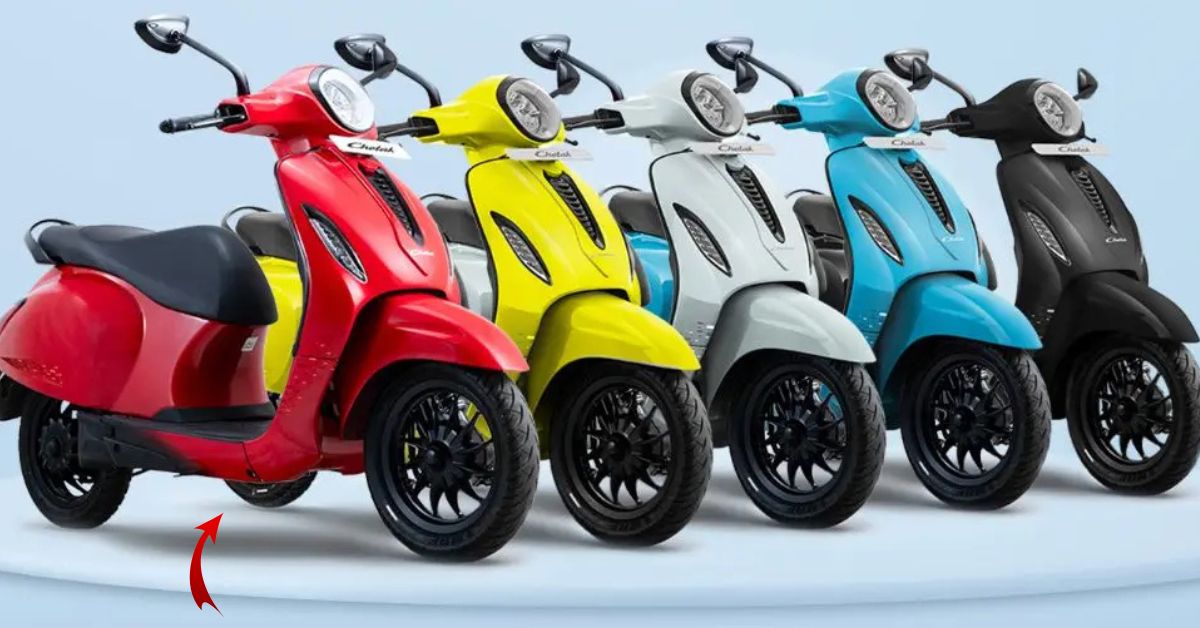
The name ‘Chetak’ is arguably the most recognized in India’s two-wheeler history, representing decades of reliable, affordable personal transportation. When Bajaj Auto re-introduced the Chetak as an electric vehicle (EV), the challenge was monumental: to fuse that timeless, dependable heritage with cutting-edge, future-proof technology.
The latest iteration of the Bajaj Chetak Electric, specifically the Series 35 models launched for the 2025 model year, represents the fulfillment of that promise. It is no longer just a stylish revival; it is a serious, feature-loaded competitor in the premium electric scooter space.
Bajaj has strategically upgraded the battery, increased the certified range, introduced a sophisticated TFT Touchscreen display, and packed in safety features like Hill Hold, all while retaining the Chetak’s defining asset: its durable, all-metal body. This 1500-word review dives deep into every aspect—from the premium price tag to the critical real-world range performance—to determine if the Bajak Chetak Electric is truly the best balance of style, substance, and safety available today.
Design and Build Quality: The Unmatched Metal Body
In a market increasingly dominated by lightweight, plastic-bodied EVs, the Bajaj Chetak stands alone with its unshakeable commitment to an all-metal body. This choice is the Chetak’s core differentiator and primary appeal.
A. Classic Aesthetics, Modern Touches
The design philosophy is ‘Retro-Modern’. The scooter retains the smooth, flowing lines and iconic silhouette of the original Chetak, ensuring it turns heads with nostalgic charm. However, modern elements are seamlessly integrated:
- LED Lighting: A round LED headlight with a distinctive horseshoe DRL, LED turn indicators (sequential on top variants), and a sleek LED taillight give it a premium, polished look.
- Fit and Finish: The quality of the paint, the flush-fitting panels, and the absence of exposed wiring or cheap plastic parts elevate the Chetak far above its competition in terms of perceived quality. There are no rattles or squeaks; the scooter feels dense, stable, and built to last.
B. Durability and Practicality
The all-metal construction not only looks good but provides superior durability and a more planted feel on the road. Furthermore, the battery and motor components are protected by an IP67 rating, ensuring resistance against dust and water ingress, which is crucial for handling India’s unpredictable weather conditions. The scooter’s generous 35 Litre underseat storage—a segment best—adds significant real-world utility, making it a true workhorse despite its premium aesthetics.
Price and Variants Breakdown: Choosing the Right Chetak
Bajaj has structured the Chetak line-up with four distinct variants, designed to cater to different budget and feature priorities, all built around the powerful Series 35 updates.
| Variant | Battery Capacity | ARAI Range | Top Speed | Key Feature Differences | Ex-Showroom Price (Approx.) |
| Chetak 3001 (Base) | 3.0 kWh | 127 km | 63 km/h | LCD Display, Drum Brakes (Front/Rear) | ₹1.02 Lakh |
| Chetak 3503 | 3.5 kWh | 151 km | 63 km/h | Coloured LCD Display, 3.5 kWh battery | ₹1.10 Lakh |
| Chetak 3502 | 3.5 kWh | 153 km | 73 km/h | Front Disc Brake, TFT Display (via TecPac) | ₹1.23 Lakh |
| Chetak 3501 (Top Spec) | 3.5 kWh | 153 km | 73 km/h | TFT Touchscreen, Keyless Go, TecPac Included | ₹1.35 Lakh |
Export to Sheets
The major difference between the 3502 and 3501 (the most popular premium variants) lies in the digital cluster. The top-end 3501 gets the superior TFT Touchscreen and the TecPac subscription (unlocking all smart features) typically included, offering the most seamless high-tech experience.
Read more : TVS iQube
Battery, Range, and Charging Analysis
The heart of the new Chetak is its robust and dense lithium-ion battery pack.
A. Battery Specifications and Certified Range
The premium variants (3501, 3502, 3503) are equipped with a non-removable 3.5 kWh battery, a significant upgrade that directly tackles range anxiety.
- Claimed Range (ARAI): 153 km per charge (for 3501/3502). This high rating is achieved under ideal testing conditions in ‘Eco’ mode.
- Real-World Range Test: In a practical test incorporating mixed city traffic, occasional use of ‘Sport’ mode for quick overtakes, and a single rider, the Chetak consistently delivered a range between 100 km and120 km. This is a highly commendable and usable real-world figure, comfortably covering the daily commute of most riders for three to four days before needing a recharge.
B. Charging Time and Convenience
The Chetak relies on a portable charger that plugs directly into a standard 5 A household socket, eliminating the need for specialized charging infrastructure.
- Charging Time (0-80%): Using the supplied 750 W−950 W charger, the 3.5 kWh battery charges from empty to 80% in approximately 3 to3.5 hours.
- Full Charge: A 0 -100% charge takes about 4.5 hours.
Critical Note: The Chetak currently lacks public DC fast-charging compatibility. While the charge time at home is acceptable for overnight charging, the inability to use fast-charging networks means planning for longer trips requires careful range management.
Real Performance Test: Motor, Speed, and Ride Dynamics
The riding experience of the Chetak is characterized by smoothness, silence, and confidence—hallmarks of a premium urban vehicle.
A. Power Delivery and Top Speed
The Chetak uses a powerful BLDC Hub Motor delivering a healthy 20 Nm of torque.
- Eco Mode: Ideal for crowded city conditions. Acceleration is measured, smooth, and conserves battery optimally, delivering the 100 km+ real-world range. Top speed is capped at 63 km/h.
- Sport Mode: Unlocks the full power, allowing a brisk acceleration from 0 to40 km/h in just a few seconds and hitting the top speed of 73 km/h. The motor feels responsive and capable of handling mild inclines without strain. The power delivery, while not as aggressive as some performance rivals, is linear and predictable, which enhances safety and comfort.
B. Handling and Braking
- Handling: The Chetak’s metal body and low-slung, non-removable battery contribute to a low center of gravity. This makes the scooter incredibly planted and easy to maneuver, whether filtering through slow traffic or taking corners on open roads. The scooter feels stable even near its top speed, a benefit of its robust chassis.
- Suspension: The front single-sided tubular suspension (a nod to the classic Chetak) and the rear monoshock are tuned for comfort. They do an excellent job of absorbing typical city road imperfections, providing a cushioned, comfortable ride that is superior to many lightweight competitors.
- Braking: The 3501/3502 variants come with a Front Disc Brake and a Rear Drum Brake with CBS (Combined Braking System). The braking performance is strong, progressive, and confidence-inspiring, though some riders might desire a rear disc brake on the top-end models for maximum stopping power.
Features and Technology: The TecPac Advantage
The 2025 Chetak’s biggest jump forward is in technology, driven by the optional TecPac connectivity subscription (often included in the top-spec 3501).
A. The TFT Touchscreen Cockpit
The most significant visual upgrade is the 5−inch TFT Touchscreen Display (3501/3502). This display is bright, clear even in sunlight, and replaces the old digital cluster. It acts as the central hub for:
- Turn-by-Turn Navigation: Essential for city commuting.
- Music Control & Call/SMS Alerts: Seamlessly integrated via Bluetooth.
- Theme Customisation: Allowing the rider to change the look and feel of the display.
B. Smart and Safety Features
The TecPac unlocks crucial features that enhance safety and utility:
- Hill Hold Assist: Prevents the scooter from rolling backwards on inclines when stopped, making starts on flyovers or ramps effortless.
- Sequential Indicators: Adds a premium visual flair and improves visibility for surrounding traffic.
- Keyless Go (3501): Allows the rider to simply approach the scooter, unlock it, and start the ride using a FOB (key remote), adding a layer of convenience.
- Reverse Mode: A standard and extremely useful feature that helps maneuver the 134 kg (kerb weight) scooter out of tight parking spots.
- Remote Immobilization & Geo−Fencing: High-tech security features managed via the Chetak mobile app.
Ownership Experience and Verdict
The Bajaj Chetak is backed by the extensive Bajaj service network, offering peace of mind that many EV startups cannot match.
A. Warranty and Running Costs
- Warranty: The standard 3 years/50,000 km warranty is competitive, with an option to extend to 5 years/70,000 km.
- Running Cost: The cost per kilometer is remarkably low, typically calculated at around ₹0.20 per km (based on standard electricity rates), making it drastically cheaper than any petrol scooter.
B. The Final Verdict
The Bajaj Chetak Electric has successfully evolved from a stylish re-launch to a segment-leading product. It masterfully balances the nostalgic charm of its metal body with the necessity of modern technology, range, and convenience.
- Pros: Unmatched build quality (all-metal), excellent real-world range (100 -120 km), sophisticated TFT Touchscreen and TecPac features, superior ride comfort, and a strong brand service network.
- Cons: Higher price point than some rivals, no public DC fast-charging option, non-removable battery (limiting charging flexibility for apartment dwellers), and a lower top speed than some performance competitors.
Recommendation: The Chetak is the ideal choice for the urban commuter who values a premium, solid, and durable product above outright raw speed. It is built to be a reliable, comfortable daily companion, offering a seamless blend of heritage and electric future. The Chetak 3501 is the variant to own for the full, uncompromising experience.