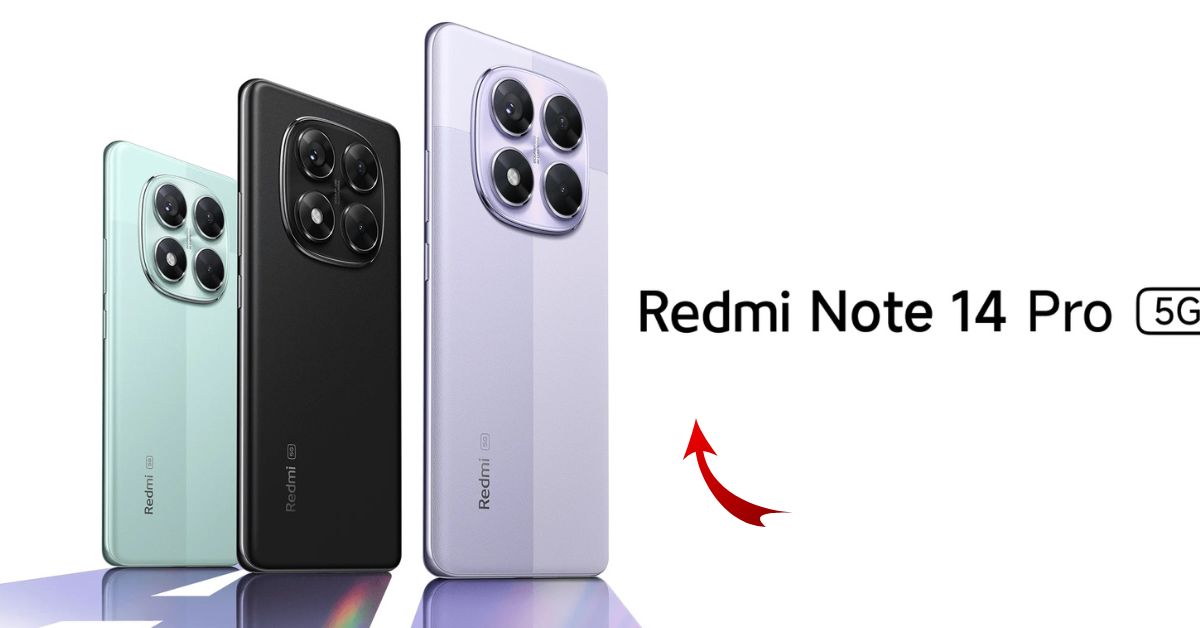
The mid-range smartphone market in India is like a battlefield, and the “Note” series from Redmi has always been the general leading the charge. But in 2026, with the Redmi Note 14 Pro 5G now fully settled in the market, the question isn’t just about whether it’s good—it’s about whether it’s still the best value for your hard-earned money.
The real truth is: This isn’t just a phone anymore; it’s a statement. Xiaomi has leaned heavily into durability and “flagship-grade” display tech this year. But don’t waste your money if you are expecting a massive jump in processing power over the previous gen. This is an evolution, not a revolution.
Let’s tear it down to see what’s actually under the hood.
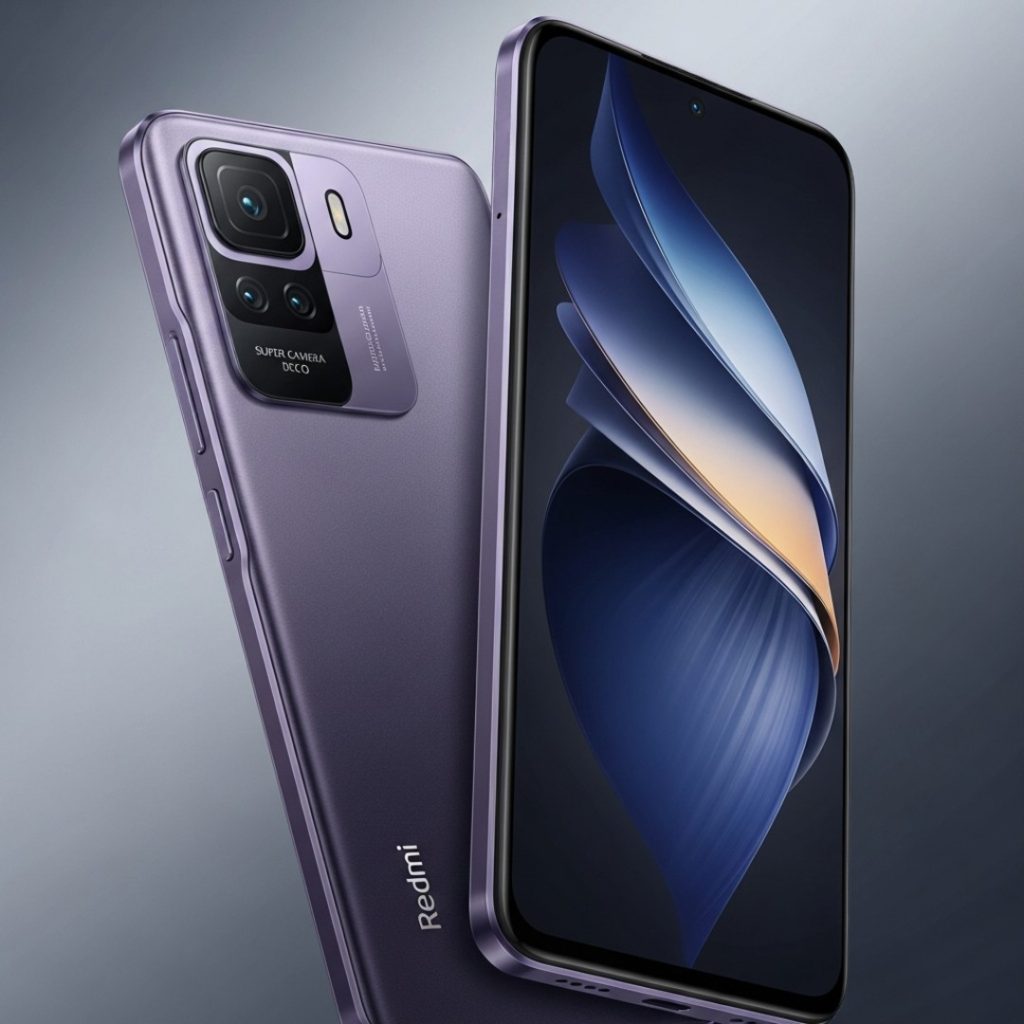
QUICK SPECS TABLE
If you want the data without the fluff, here is the technical breakdown.
| Feature | Specification |
| Processor | MediaTek Dimensity 7300 Ultra (4nm) |
| Display | 6.67-inch 3D Curved AMOLED, 1.5K (1220p), 120Hz |
| Durability | IP68 Dust & Water Resistant, Victus 2 Glass |
| Rear Camera | 50MP (Sony LYT-600, OIS) + 8MP UW + 2MP Macro |
| Front Camera | 20MP Selfie |
| Battery | 5,500 mAh (Silicon-Carbon Tech) |
| Charging | 45W Turbo Charging |
| Software | HyperOS (Based on Android 14/15) |
| Peak Brightness | 3000 Nits |
DESIGN & BUILD: “The Bulletproof Mid-Ranger”
Xiaomi is calling this the “SuperNote” for a reason. They’ve moved away from the boxy designs of the past and gone for a 3D Curved Aesthetic.
- The Feel: It weighs around 190g and feels incredibly balanced. The back comes in a premium Vegan Leather option (Phantom Purple) or a smooth matte finish.
- IP68 Rating: This is a big deal. Usually, you only get “splash resistance” (IP54) at this price. The Note 14 Pro 5G can survive being submerged in 1.5 meters of water for 30 minutes.
- The Glass: It uses Corning Gorilla Glass Victus 2. This is the same glass found on flagships that cost 3x as much. It’s built to survive 1.5m drops on hard surfaces.
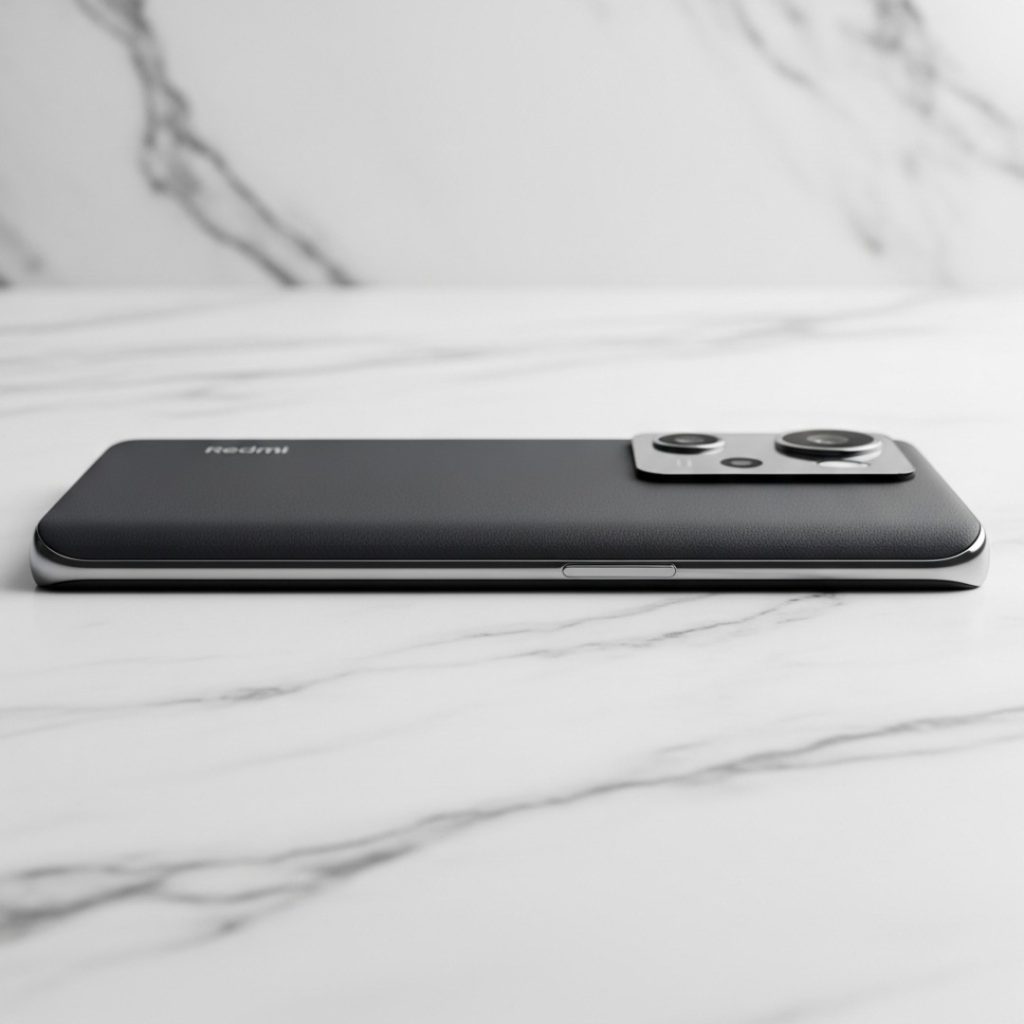
DISPLAY: A 1.5K Visual Feast
Redmi has officially killed the “FHD vs AMOLED” debate by giving you both. The 1.5K (1220p) resolution is significantly sharper than standard 1080p screens.
- Brightness: It hits 3000 nits peak brightness. In plain English: you can read your texts clearly even under the blinding midday sun in Rajasthan.
- Eye Care: It features 1920Hz PWM dimming, which means your eyes won’t hurt during those 2 AM Instagram scrolling sessions.
- Curved Screen: Love it or hate it, the curves make the bezels look non-existent, giving it a ₹50,000 phone look.
PERFORMANCE: The Efficiency Specialist
Under the hood is the MediaTek Dimensity 7300 Ultra.
The real truth is: This isn’t a “gaming beast.” If you are a competitive BGMI player looking for 90FPS, this is not the phone for you. However, for 95% of users, it is excellent.
- Antutu Score: It hovers around the 720,000+ mark.
- Multitasking: Thanks to the 4nm architecture and HyperOS, app switching is instant. It doesn’t heat up during normal use, thanks to the massive 13780mm² graphite cooling area.
- Daily Usage: It’s smooth, reliable, and Xiaomi promises 3 years of OS updates and 4 years of security patches.
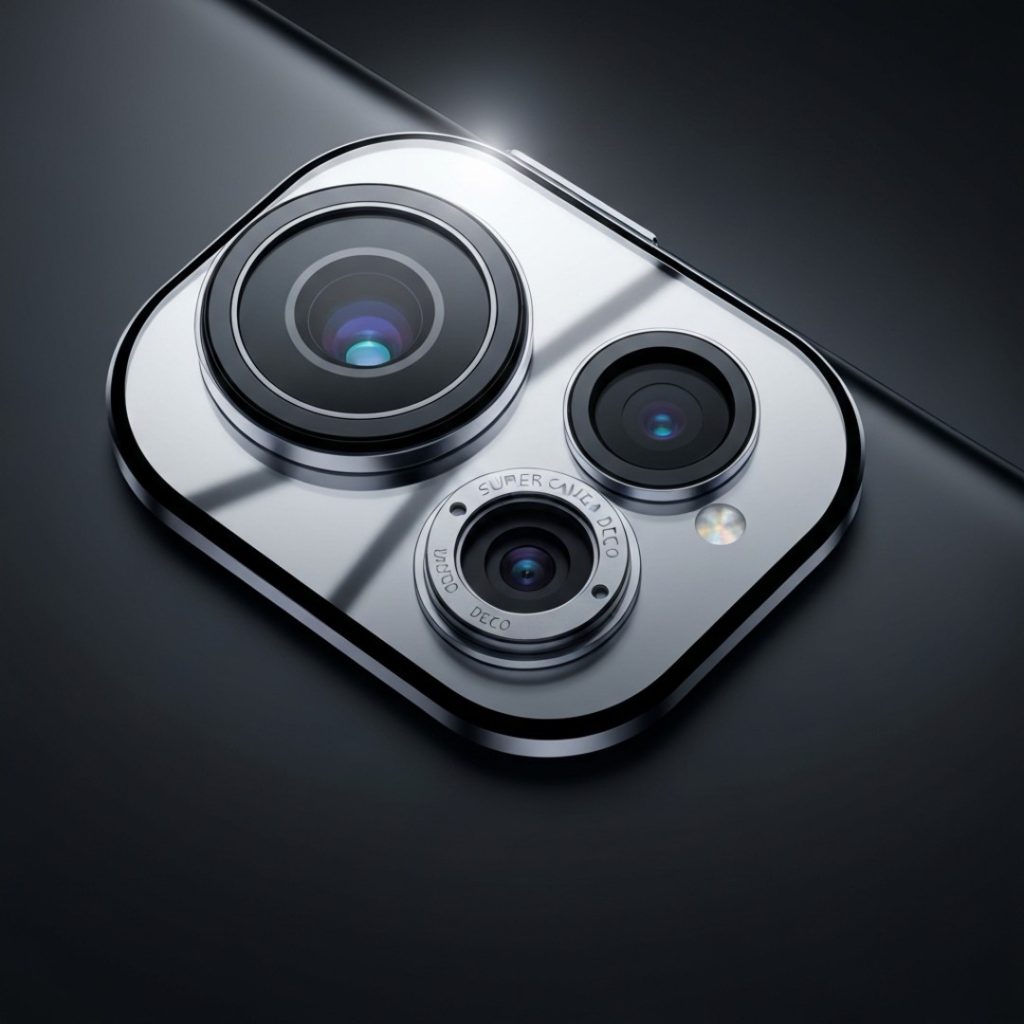
CAMERA: The Sony LYT-600 Evolution
Xiaomi ditched the 200MP sensor for the 50MP Sony LYT-600 with OIS.
- Why the change? Bigger megapixels don’t always mean better photos. The Sony sensor has a larger f/1.5 aperture, which lets in way more light.
- Daylight: Crisp, natural colors with great dynamic range.
- Night Mode: The OIS (Optical Image Stabilization) works overtime here. Night shots are “purer” with less grain than the Note 13 Pro.
- The Weak Link: The 8MP ultra-wide and 2MP macro are just “okay.” They are fine for daylight, but don’t expect miracles.
BATTERY & ENDURANCE: The Silicon-Carbon Secret
This is where the Note 14 Pro 5G quietly wins. It uses a 5,500mAh Silicon-Carbon battery. This tech allows for a larger capacity without making the phone thick.
- Screen-on Time (SOT): You can easily get 7-8 hours of heavy use.
- Charging: It supports 45W Turbo Charging. It charges 0-50% in about 30 minutes and hits 100% in roughly 70 minutes.
- Note: While competitors like Realme offer 80W, Xiaomi has chosen a slower speed to ensure the battery lasts for 4 years without significant degradation.
Read more : Realme 16 Pro Max
THE COMPETITION: Battle of the Mid-Rangers
How does the Redmi Note 14 Pro 5G stack up against its biggest rivals in January 2026?
| Feature | Redmi Note 14 Pro | Realme 14 Pro | Samsung Galaxy M35 |
| Display | 1.5K Curved AMOLED | 1.5K Curved OLED | FHD+ Flat sAMOLED |
| Chipset | Dimensity 7300 Ultra | Dimensity 7300 Energy | Exynos 1380 |
| Battery | 5,500 mAh | 6,000 mAh | 6,000 mAh |
| Durability | IP68 & Victus 2 | IP65 | IP67 |
| Charging | 45W | 45W | 25W |
The Winner: If you want durability and the best display, the Redmi Note 14 Pro wins. If you want the biggest battery, the Realme 14 Pro is the one. For those who want clean software and long updates, the Samsung is still a safe bet.
FINAL VERDICT
Buy it if:
- You are clumsy: The IP68 rating and Victus 2 glass make this the toughest phone in its class.
- You consume a lot of content: That 1.5K 120Hz curved display is a treat for Netflix and YouTube.
- You want a premium feel: It looks and feels like a flagship.
Skip it if:
- You are a hardcore gamer: Look for the Poco X7 Pro or a phone with a Snapdragon 8-series chip.
- You want ultra-fast charging: 45W is decent, but it’s not the “HyperCharge” we’ve seen on other models.
- You hate curved screens: Accidental touches are rare but can still happen.
FAQs (People Also Ask)
Q1: Does the Redmi Note 14 Pro 5G have a 3.5mm headphone jack?
A: No, the 3.5mm jack has been removed. You will need to use a USB-C adapter or Bluetooth earphones.
Q2: Is the 45W charger included in the box?
A: Yes, Xiaomi still provides the 45W power adapter and a Type-C cable inside the box in India.
Q3: Can it record 4K videos?
A: Yes, it supports 4K video recording at 30fps with OIS and EIS for stabilization.
Q4: Is the display glass scratch-resistant?
A: Extremely. Gorilla Glass Victus 2 is currently one of the most scratch-resistant glasses on the market.
Q5: Does it support eSIM?
A: The Indian variant primarily supports Dual Nano-SIM. Please check with your specific local retailer as some international versions do support eSIM.